

Key Takeaways
-
Durable medical equipment (DME) includes crutches, walkers, wheelchairs, scooters, braces, boots, and compression wear that support safe movement after surgery. - Rainbow Medical Supply Online Product Catalog
-
For athletes, the right mix of DME can make daily life safer and more manageable while the body heals.
-
Braces and supports help protect the surgical area and control motion, but they don’t replace rehab or strength work.
-
Compression gear and proper positioning can make recovery days more comfortable and support circulation.
-
Working with your surgeon, physical therapist, and a DME specialist like Rainbow Medical Supply helps you match equipment to your actual needs.
How DME Helps Athletes Get Back on Their Feet After Surgery
The first time an athlete stands up after surgery, everything feels different.
Yesterday, you were the person sprinting down the field or pushing through that last rep. Today, you’re staring at your leg, your brace, your crutches, and quietly wondering:
“How am I supposed to move like this?”
This is where durable medical equipment (DME) quietly becomes part of the comeback.
Crutches, walkers, knee scooters, wheelchairs, braces, compression socks—they’re not glamorous. But the right setup can turn those first shaky weeks into something safer, more comfortable, and a lot less overwhelming.
At Mobility & Wellness Digest by Rainbow Medical Supply, we see DME as a support crew for your recovery. It doesn’t heal the injury—but it makes healing easier to live with.
What Is Durable Medical Equipment (DME)?
Durable medical equipment is reusable medical gear prescribed or recommended to help you move, stay safe, and manage daily life during injury, surgery recovery, or chronic conditions.
For athletes and active people after surgery, DME often includes:
-
Crutches, canes, and walkers
-
Walking boots and immobilizers
These tools are there to help you:
-
Protect the area that was operated on
-
Lower your risk of falls or re-injury
-
Get through normal tasks—like showers, stairs, school, or work—without pushing your body too far
They don’t replace surgery, rehab, or training. They work with your medical team’s plan.
1. Keeping You Moving Safely: Crutches, Walkers & Scooters
Right after surgery, you might hear instructions like “non-weight-bearing” or “partial weight-bearing.” That’s where crutches, walkers, and knee walkers come in.
These devices help you:
-
Take pressure off the surgical leg or foot
-
Stay balanced when your muscles are weak, stiff, or painful
-
Move around the house without grabbing every wall
On the Rainbow Medical Supply site, you’ll find:
-
Walking aids and canes like the Offset Cane with Strap for extra balance and wrist comfort.
-
Knee walkers and rolling walkers highlighted in our guide on types of walkers for adults, a great option for foot and ankle surgeries when crutches are uncomfortable.
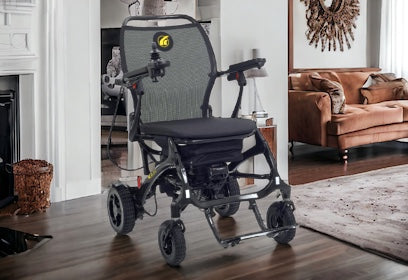
For longer distances—campus, airports, tournaments—a transport chair or lightweight wheelchair can save your energy and reduce risk:
-
Explore our Transport Chairs & Wheelchairs collection for easy-to-push options, including extra-wide and reclining models.
-
Check out the Lightweight Wheelchair collection for more travel-friendly chairs.
You’re not “weak” for using these. You’re being smart and giving your body the chance to heal.
2. Protecting the Repair: Braces, Boots & Supports
After ACL reconstruction, meniscus repair, ankle stabilization, or back surgery, your surgeon’s biggest priority is protecting the repair.
That’s where braces and supports come in.
Knee braces for support and stability
Knee braces can:
-
Limit risky motions (like twisting or hyperextension)
-
Provide gentle compression and warmth
-
Help you feel more stable during walking or early rehab exercises
At Rainbow Medical Supply, you can explore:
-
The Curad Knee Sleeves collection, with options for everyday support and sports-style designs.
-
The CURAD Knee Support, Neoprene Wrap-Around, designed for warmth, compression, and adjustable fit for weak or recovering knees.
-
Performance styles like the CURAD Performance Series IRONMAN Infrared Knee Support, which is built to provide targeted support during activity.
We also have an educational article, Understanding the Benefits of Knee Braces for Everyday Use, if you want a deeper, patient-friendly explanation.
A quick reality check
Braces are helpers, not guarantees:
-
They don’t prevent every re-injury.
-
They don’t replace strength, balance, and proper rehab.
-
They should be chosen and used based on your provider’s advice.
Think of a brace as good equipment—not a magic fix.
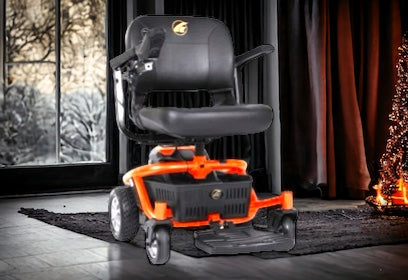
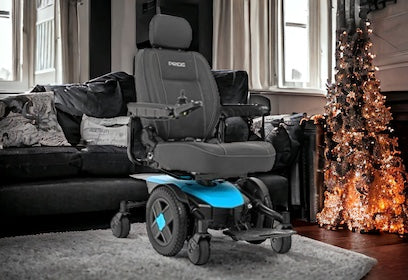
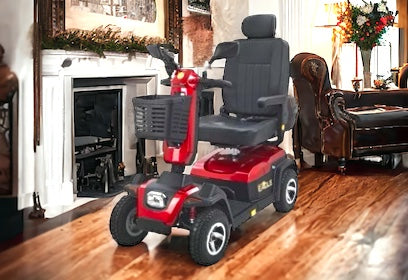
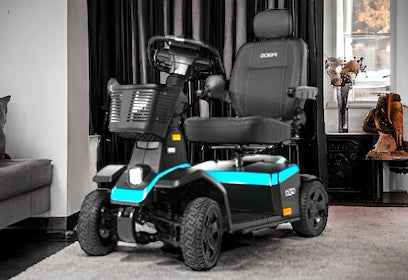
3. Power Wheelchairs & Scooters for Long Distances
Some athletes and active adults need more than short-distance support, especially if they’re recovering from more complex surgeries or have longer-term mobility challenges.
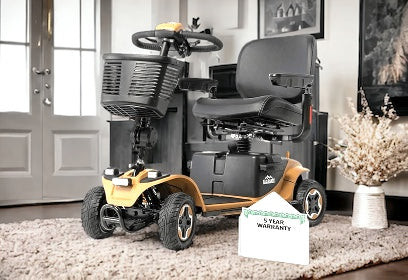
That’s where power wheelchairs and mobility scooters come in.
-
Browse our Power Wheelchairs collection for models focused on comfort, indoor maneuverability, and outdoor independence.
-
Check out All Scooters for compact travel scooters, all-terrain options, and heavy-duty choices.
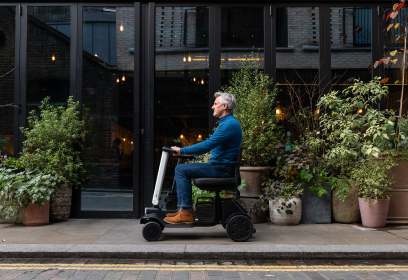
Scooters and power chairs don’t just serve seniors—they also help:
-
Active adults who can’t walk long distances during recovery
-
Athletes with long-term mobility needs stay involved in events, coaching, and daily life
If you’re unsure whether a power device makes sense, that’s a great question for both your provider and our team.
4. Compression Wear & Recovery Comfort
Recovery is a lot of “hurry up and wait”—rest days, slow progress, and a body that doesn’t always feel like yours.
Compression wear and supportive gear can make that more comfortable:
-
Our Compression collection includes knee supports, wrist and thumb supports, back supports, and more.
-
Compression socks and sleeves can help support circulation and reduce that heavy, tired feeling in your legs, especially if you’re sitting or standing for long periods. Our article, 10 Ways Compression Socks Can Improve Your Daily Life, covers this in more detail.
Again: these products support comfort and recovery, but they’re not a replacement for physical therapy, rest, or medical care.
5. Confidence, Independence & the Mental Game
Being sidelined is tough. You’re watching teammates train, seeing game updates on social, and wondering when you’ll feel like yourself again.
DME can’t fix that feeling—but it can help you:
-
Move around without needing help every single time
-
Feel safer in the shower, on stairs, or in crowded places
-
Stay involved in school, work, or family life instead of isolating
-
Make it easier for parents, partners, or caregivers to support you safely
That independence is huge for mental health. It’s the difference between feeling “broken” and feeling like an athlete in recovery.
When Should an Athlete Ask About DME?
Here are good times to bring up DME with your surgeon or physical therapist:
-
You’re scheduled for orthopedic surgery (knee, ankle, hip, back, shoulder).
-
You’re not sure how you’ll handle stairs, school, work, or sports facilities afterward.
-
You’ve had falls or balance issues in the past.
-
You know you’ll need to walk long distances (campus, tournaments, airports).
-
You’re curious whether a brace, boot, or compression gear makes sense for your specific surgery.
Once you have guidance from your provider, Rainbow Medical Supply can help match that plan with actual products—from walking aids and wheelchairs to braces and compression wear—so you’re not guessing alone.
FAQ: DME & Athletes After Surgery
Does using DME make me weaker?
No. The goal is to protect healing tissues and reduce risk while you rebuild strength through rehab. The plan usually includes a gradual step-down from devices as your body recovers.
Will a knee brace guarantee I don’t re-tear my ACL?
No brace can guarantee that. A brace may provide support and confidence, but long-term success depends more on good rehab, strength, balance, and sport-specific training.
How long will I need crutches or a walker?
It depends on your surgery and healing. Some athletes use them for a few days, others for several weeks. Only your surgeon or therapist can give a timeline—and they may adjust it based on your progress.
Are compression socks and sleeves actually helpful?
Many people feel that compression helps with comfort, swelling, and soreness, especially during long days on their feet or while traveling. They’re a supportive add-on—not a cure or a shortcut.
Can I just pick a brace or scooter on my own?
For post-surgical use, it’s safest to start with your medical team. Once you have recommendations or a prescription, our specialists at Rainbow Medical Supply can help you choose products that match those instructions and your lifestyle.
Final Thoughts
Durable medical equipment doesn’t show up in the highlight reel—but it quietly supports some of the most important moments in an athlete’s story:
-
The first steps with crutches instead of a hospital bed
-
The first trip outside the house in a transport chair
-
The first time your knee feels stable enough to try a gentle exercise in a brace
DME won’t cure your injury. It won’t replace rehab.
But it can make each stage of recovery safer, more comfortable, and more independent.
If you’re facing surgery—or helping an athlete through it—talk with your healthcare provider about what you’ll need at home and on the go. Then visit Rainbow Medical Supply to explore:
-
Power wheelchairs and mobility scooters for longer distances
-
Knee supports and other compression products to support comfort during recovery
You focus on healing and doing the rehab work.
We’ll help make sure you have the right tools by your side.


